
Nature has untapped magickal potential for our bodies, minds, and spirits. Hospital patients with a view of nature tend tend to have shorter postoperative stays and request painkillers less. Elementary school students with access to green space show improved attention and memory.
Psychological study after study show that connection to the natural world is vital to our sense of well being.
But if you’re living in a city, outside of visiting a park or garden, how do you access this regenerative power?
The fact is, however developed or urban our environment may be, nature is still quietly and impressively thriving. The key is to learn to see it.
Have you ever noticed a flower blooming as it climbs up the fence of a vacant lot? Have you ever seen a pigeon drinking snow?
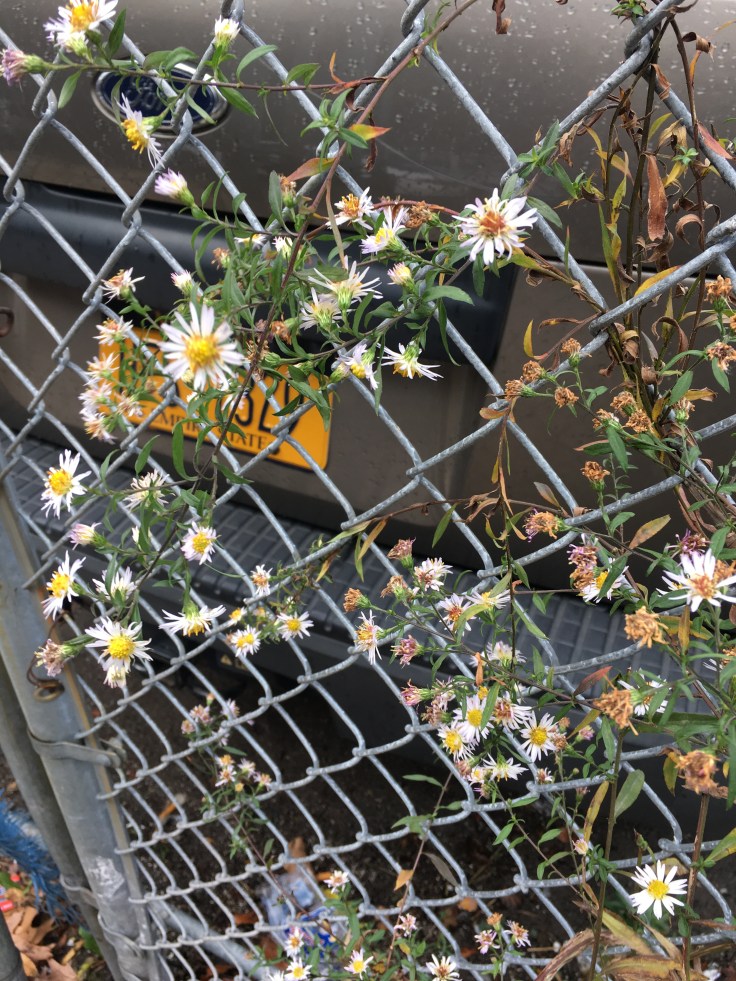
There are thousands of wild plants and animals around us, at home amidst our concrete streets and rampant pollution. We have been conditioned to ignore them or think of them as pests, but when we take the time to learn about these beings, we begin to see the urban ecosystem in a new way, and our lives can be greatly enhanced.
The practice of learning to observe nature, even the seemingly hidden, leads you to a state of feeling mindfully present and connected to the web of life.
In this article you will find some suggestions for how to begin to observe and harness this power in nature. Other posts on this blog will identify specific species and phenomenon that will help you in your journey to witnessing the hidden beauty of urban nature and how to incorporate nature’s lessons into your own life.
Take Out the Earbuds & Mind the Sky.
It makes sense that we work hard to numb ourselves to the outside world. Everyday we are bombarded by an array of sounds, smells, and sights that it is our brain’s job to filter. We numb ourselves to preserve our energy. But if we learn to adjust our focus, we can draw energy and inspiration from an infinite array of sounds and images.
Try walking around without your headphones and instead listen for the sounds of birds.
For centuries birds have captivated human beings with their beautiful songs and their ability to fly. They have become symbols of freedom and spirituality. Listen carefully and keep your eyes peeled! You might be surprised what you see.

When you begin this exercise, at first, all you may hear is the whir of traffic, but eventually you will begin to notice a multitude of songs. The longer you do this, and the more you practice, the more you will be able to hear. How many different birds you can hear?
Can you spot the avian vocalist who is sharing your space? Click here to learn to identify some of the most common birds in NYC.
Look for the Hidden Connections
Ecology is about relationships. It takes practice to widen the field of your vision to see and appreciate the hidden web of energy in the urban environment. The more you intentionally observe the nature around you, and the more you learn, the deeper this experience becomes.
One of the most beautiful lessons that nature teaches is that everything is connected. To truly understand this is a cure for the alienation that can come from living in an overcrowded city where it seems everyone is looking out only for themselves. The obvious truth is that we are all interdependent on each other for survival.
Take “weeds” for example. Commonly thought of as pests, a weed is a plant that grew without being planted by a human. When we consider this, it is actually truly remarkable! In the seemingly harsh environment of a concrete jungle, seeds travel on the wind, on the fur, or in the stomachs of animals, and are able to take root and sprout, often with very little room, light, or water.
The resiliency of nature is truly astounding!

And not only can these hardy plants be quite beautiful, bringing a splash of green to a landscape dominated by concrete grey, they are also critically important to our health.
One of the first things we learn about plants is that they provide us with oxygen, but rarely do we stop to appreciate the communities of spontaneous plants that help us to breath.
In an urban environment that is polluted with high concentrations of carbon dioxide, the ability of plants to convert pollution into sweet sweet oxygen becomes even more important
And it’s a two way street, for plants need the CO2 that we breath out to live, just as we need the oxygen that they provide. We are mutually benefitting and therefore, connected.
As you get in the practice of thanking those creatures that give us oxygen, be sure to learn to identify the London Plane Tree, the most common street tree in NYC, who is a star at cleaning up pollution.
Watch the Light
While skyscrapers prevent you from having an uninterrupted view of the sky, their shadows may have something to teach us. Observe the changing patterns as you go about your daily commute throughout the seasons.

Take note of the trees as they bend and reach to seek out the light. The sun is the source for all this life, and when your access is sometimes limited, you come to appreciate it more.
If you Can Quiet your Mind, Nature Will Speak to You
If you work to explore the city and observe as much nature as possible, you will be amazed at all you overlooked before. As you do this work, adopt an attitude of gratitude towards the natural environment and you’ll cultivate a sense of ongoing peace.
There is much in the news about the benefits of being “mindful” and for many, the key is to get out of your head and into your senses. There are many fascinating and beautiful natural impressions, and if you observe with the spirit of thankfulness and curiosity, nature will show you many lessons!
 Green Witch in the City
Leave a comment